
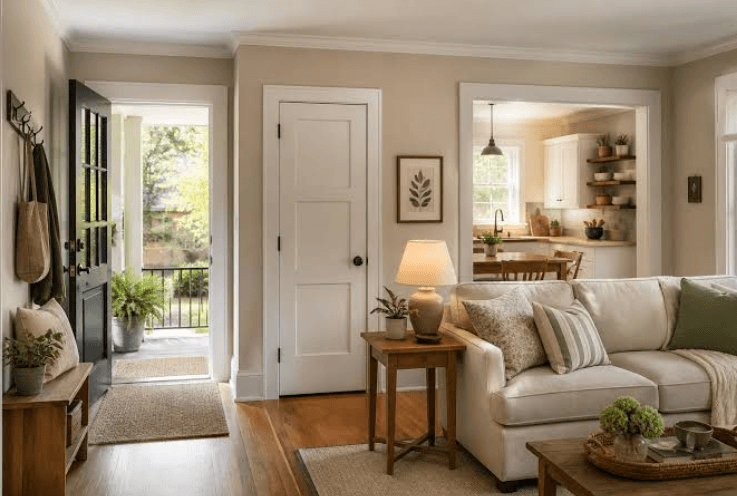
Home Improvement: Simple Ways to Create a Better Place to Live
A home does not become comfortable simply because it has expensive furniture, modern appliances, or fashionable decorations. A comfortable home is one that suits the people who live in it. It should make daily routines easier, provide enough space for everyone, and offer a place where people can relax at the end of a busy day.
This is where home improvement becomes important. Improving a home does not always require a major renovation. In many cases, small changes can solve everyday problems and give rooms a completely different feel. The key is to focus on improvements that provide genuine value rather than spending money simply because something looks fashionable.
Start With a Careful Look Around
Before buying paint, furniture, or building materials, spend some time examining the house.
Walk through each room and notice what feels inconvenient. Maybe the living room has too much furniture, the kitchen counter is always crowded, or the bedroom needs better lighting. Perhaps the entrance has no practical place for shoes and coats.
Write these problems down and decide which ones affect your daily life the most. This gives you a clear starting point.
A home improvement project should have a purpose. If a change does not solve a problem, improve comfort, or add lasting value, it may not deserve priority.
Improve the Layout Before Buying Anything
Sometimes a room feels uncomfortable because of the way furniture is arranged rather than because the furniture itself is wrong.
Try moving sofas, chairs, tables, and other large pieces before deciding to replace them. Create clear paths through the room and make sure important areas are easy to access.
In a living room, for example, seating should encourage conversation rather than forcing everyone to face the same direction. In a bedroom, the bed should be positioned so that there is enough space to move around it comfortably.
A few hours of rearranging can sometimes accomplish more than purchasing several new items.
Refresh Tired Walls
Walls have a major influence on the appearance of a room. Even a well-furnished space can look tired when the paint is faded or marked.
A fresh coat of paint is one of the simplest home improvement projects. Light colors can make smaller rooms appear more spacious, while deeper shades can create a warmer atmosphere.
You do not necessarily need to repaint every room. Focus on the areas that receive the most attention or show the most wear.
Before painting, prepare the walls properly. Clean the surface, repair holes and cracks, and protect floors and furniture. Rushing this stage can make even good-quality paint look uneven.
Make Better Use of Natural Light
Natural light can make a home feel brighter and more welcoming. It can also reduce the need for artificial lighting during the day.
Start by keeping windows clean and removing objects that unnecessarily block them. Choose curtains or blinds that provide privacy without preventing too much daylight from entering.
Mirrors can also help. When placed opposite or near a window, a mirror can reflect daylight into other parts of a room.
If a room receives very little natural light, use lighter wall colors and carefully positioned lamps to create a brighter atmosphere.
Upgrade the Lighting at Night
Good lighting should work for different activities. A single ceiling light may not be enough for reading, working, cooking, and relaxing.
Consider using several types of lighting. Ceiling fixtures can provide general illumination, while table and floor lamps can create softer areas.
Task lighting is especially useful in kitchens, home offices, and reading areas. It provides light exactly where it is needed instead of illuminating the entire room.
The right lighting can also make decorative features more noticeable. A simple piece of artwork or an attractive architectural detail can become a focal point when it is properly illuminated.
Organize Storage Instead of Fighting Clutter
Clutter is one of the most common reasons a home feels smaller than it actually is.
Instead of constantly moving belongings from one surface to another, create dedicated storage areas. Shelves, baskets, cabinets, hooks, and drawers can all help.
Look for unused vertical space. Walls are often underused, particularly in kitchens, hallways, and bedrooms.
Under-bed storage can hold seasonal clothing and other items that are not needed every day. A bench with hidden storage can serve two purposes in an entrance or bedroom.
Good organization does not mean hiding everything. It means making it easy to put things away and find them again.
The soul becomes dyed with the color of its thoughts. You can never get a cup of tea large enough or a book long enough to suit me. A loving heart is the truest wisdom.
Give the Kitchen a Practical Refresh
The kitchen is often the busiest room in a home, so improvements here can have an immediate effect.
If cabinets are structurally sound, replacing them may not be necessary. New handles, fresh paint, or minor repairs can change their appearance.
Countertops should remain as clear as possible. Keep frequently used appliances accessible while storing equipment that is rarely needed.
Better lighting can also improve the kitchen. Lights beneath cabinets can make food preparation easier, particularly when the main ceiling light creates shadows.
A kitchen should look attractive, but its layout and organization should always support the way people actually cook and use the room.
Make the Bathroom Easier to Maintain
A bathroom can feel much better with a few practical changes.
Begin with repairs. Dripping faucets, loose fixtures, damaged sealant, or small leaks should not be ignored. Minor problems can become expensive if they are allowed to continue.
Storage is another important area. Shelves or wall-mounted cabinets can keep toiletries organized while leaving more floor space available.
A clean, well-lit mirror can also make a bathroom feel larger. When choosing new materials or fixtures, think about maintenance as well as appearance. A beautiful surface that is difficult to clean may become frustrating over time.
Improve Energy Efficiency
Some home improvements can make a house more comfortable while reducing wasted energy.
Check doors and windows for gaps that allow outside air to enter. Damaged weather seals can make heating and cooling systems work harder.
Energy-efficient lighting is another straightforward improvement. Depending on the property, insulation, efficient appliances, or improved window treatments may also help manage indoor temperatures.
Before spending money on major energy upgrades, identify where the greatest losses are occurring. A professional assessment can sometimes prevent homeowners from investing in improvements that provide little benefit.
Do Something About the Entrance
The entrance is a small part of the house, but it has a surprisingly important role.
A clean, well-maintained front door immediately improves the appearance of a property. Good outdoor lighting can make the entrance safer and more inviting at night.
Inside, install hooks for coats and bags if space allows. A small bench or shoe cabinet can prevent footwear from collecting near the doorway.
The entrance should make it easy to leave the house and return home without creating unnecessary clutter.
Make Outdoor Areas More Useful
Outdoor space should not be treated as an afterthought. A balcony, patio, garden, or terrace can become an extension of the living area.
Add comfortable seating that suits the available space. A few plants can bring color and life to the area, while simple lighting can make it usable after sunset.
Regular maintenance is often more valuable than expensive decoration. Clean surfaces, remove unnecessary clutter, trim plants, and repair anything damaged.
Even a small outdoor corner can become a pleasant place for morning coffee, reading, or spending time with family.
Think About Long-Term Value
Not every improvement needs to increase the market value of the property. Comfort and convenience are valuable too.
However, when choosing between several projects, consider which ones are likely to remain useful for years.
Good-quality flooring, functional storage, efficient lighting, reliable fixtures, and well-maintained kitchens and bathrooms tend to have lasting benefits.
Avoid making major changes simply because a particular design is currently popular. Trends come and go, while practical improvements remain useful.
See also: Benefits of Application Performance Optimization
Set a Budget Before Starting
Home projects can become expensive when there is no clear spending limit.
Before beginning, decide how much you can comfortably afford. Separate essential repairs from optional decorative changes.
It is also wise to keep some money aside for unexpected expenses. Older homes, in particular, can reveal hidden problems once work begins.
If the budget is limited, prioritize projects that improve safety, prevent damage, or solve significant daily problems. Decorative upgrades can come later.
Know Your Limits
DIY work can be enjoyable and can save money, but homeowners should know when professional help is necessary.
Painting, basic decorating, furniture assembly, and some simple maintenance tasks may be suitable for experienced homeowners. Electrical work, major plumbing changes, structural alterations, and other specialized projects can be much more complicated.
Trying to save money by doing dangerous or highly technical work without the necessary knowledge can create bigger expenses later.
Quality and safety should always come before saving a few dollars.
Improve Slowly and Intentionally
A home does not have to be transformed in a single weekend.
Working on one project at a time makes it easier to control spending and keep the house usable. It also gives homeowners a chance to learn what works and what does not.
Start with the area that causes the most frustration. Once that problem is solved, move to the next one.
Over time, these smaller improvements can completely change the experience of living in the house.
Final Thoughts
Home improvement is not really about creating a perfect-looking property. It is about making a home more comfortable, functional, safe, and personal.
The most valuable projects often begin with simple observations: a room needs better lighting, belongings need proper storage, a kitchen needs better organization, or an outdoor space needs some attention.
You do not need to complete everything at once. Start with practical changes, plan your spending carefully, and choose improvements that fit your lifestyle.
A successful home improvement project should leave you with more than a beautiful room. It should make everyday life a little easier and give you a stronger sense that the space around you truly belongs to you.